In theory Western Union maintained commercial telegram service to and from Narrow Gauge agencies until December 29, 1969. As long as any community had an open Rio Grande agent-telegrapher office open they could send and receive WU messages. But reflect the culture, the industries, etc. in this territory. They were poor people and industries were such did not require speedy exchange of information WU could provide. In Manana Land who would pay $.35 - $ 1.00 for WU when a $.03 stamp got them the desired information in a few days and that was fast enough to satisfy most. As agent-telegrapher December 1937 to Spring 1939 I sometime did not send a WU telegram for weeks nor receive one to deliver. Chama maybe 20-25 a month; Dulce and Ignacio because of the Jicarilla Ute Reservation headquarters about the same as Chama. The Western Union commission from handling these messages would not buy a cheap quart of whiskey.
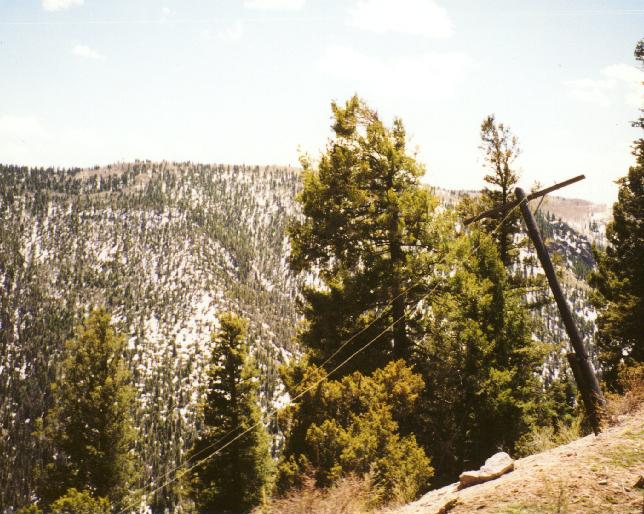
During the snow blockade of 52 I had a WU lineman named "Reddy" with us. We fed and bedded him just as one of the gang. He was a loco bastard. He nearly got run over because he was carelessly walking along between the icy walls of the rotary trench. Saved only because he struck a match or lit a lighter for a signal. An alert trainman in the crummy cupola saw it, guessed correctly who and why - and pulled the air. And he nearly got himself and me killed in the booth at MP 323.00 when the booth was buried by the discharge of snow from the rotary fans.